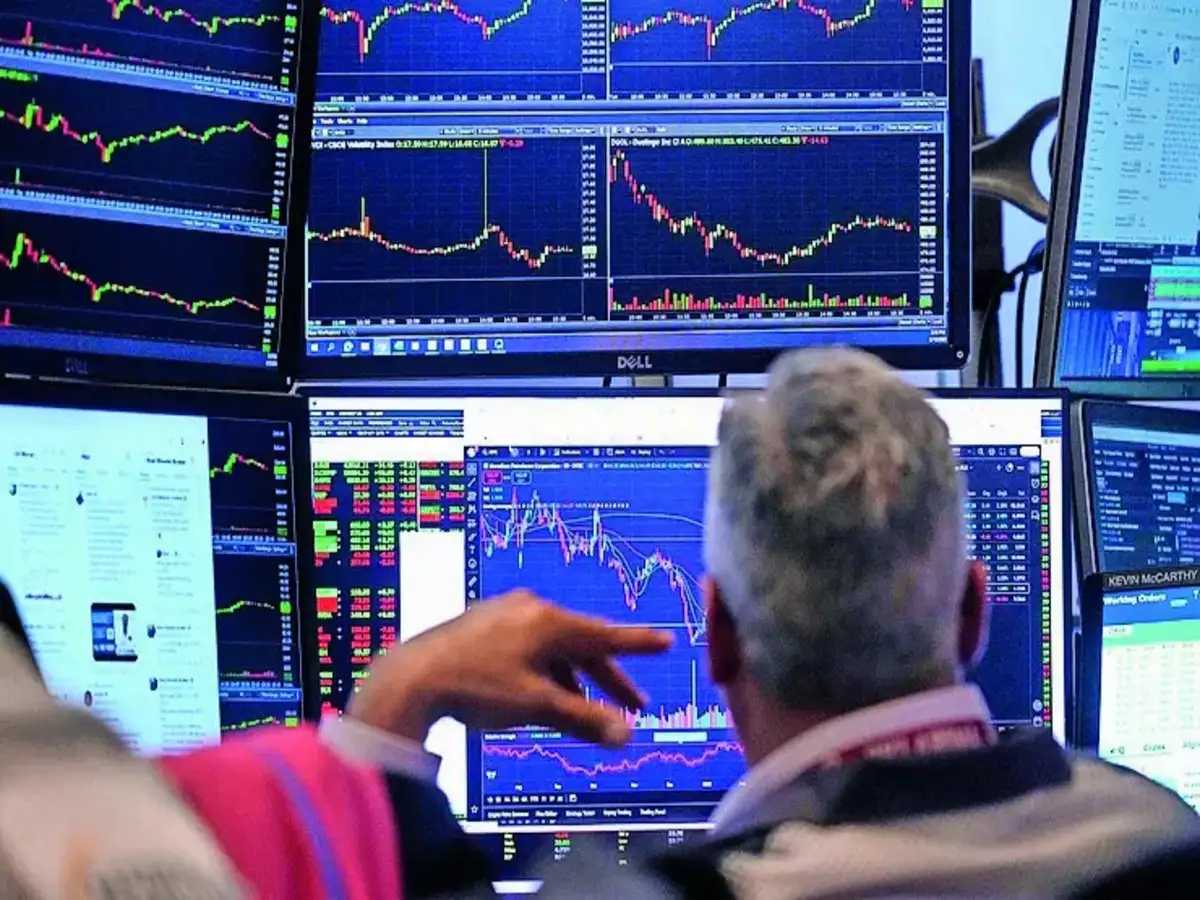
The immediate inducement was the latest report from ADP, which showed U.S. private employers cut 32,000 jobs in November—a stark contrast to expectations of job growth. This unexpected drop reinforced growing fears that the U.S. labor market is cooling—a scenario that could prompt the Fed to ease monetary policy sooner rather than later.
Market Reaction: Stocks and Yields Respond
By the close of trading, the Dow Jones Industrial Average surged by 408 points (roughly 0.9%) to 47,882.90, while the S&P 500 rose about 0.3%, and the Nasdaq Composite added around 0.2%.
The bond market also reacted—yields on the 10-year Treasury note slipped, making borrowing costs cheaper and further supporting investor buoyancy.
Risk-sensitive sectors and small-cap stocks led the advance, reflecting renewed appetite for growth and a belief that lower interest rates would ease accounting conditions.
Why Markets See Silver Linings in Weak Employment
For many investors, weak jobs data signals a lower likelihood of aggressive rate hikes—and increases the odds of rate cuts. This shifts the outlook from tightening to easing, which can fuel growth for proprietorship.
In a context where inflation has been sticky but economic growth shows signs of cooling, lower rates may support consumer spending, corporate borrowing, and overall risk-asset valuations – making equities more attractive.
Broader Implications
The market reaction underscores how sensitive global equities remain to U.S. labor-market signals and the policy stance of the Fed. If the Fed does cut rates in its upcoming December meeting, it could further propel markets—but it also raises questions about economic growth, labor strength, and financial steadiness in the months ahead.
Investors may increasingly tilt toward sectors that benefit from lower rates—such as growth stocks, tech, small caps, and high-debt firms—while reassessing inflation-sensitive industries and fixed-income assets.
In Summary
What looked like bad news—a drop in private-sector jobs—ended up triggering a relief rally on Wall Street, as markets bet on rate cuts and cheaper money ahead. The weak jobs print has reshaped expectations for monetary policy, boosted stock markets, and reignited hopes that investors may see a smoother path ahead—at least in the near term.