For many women in the UAE, menopause has long been something to endure quietly – a phase marked by hot flushes, mood swings, sleep disruption and fatigue that is often dismissed as a natural part of ageing. Now, healthcare professionals are urging a shift in approach, calling for personalised, proactive and holistic menopause care that recognises both the physical and emotional impact of this life stage.
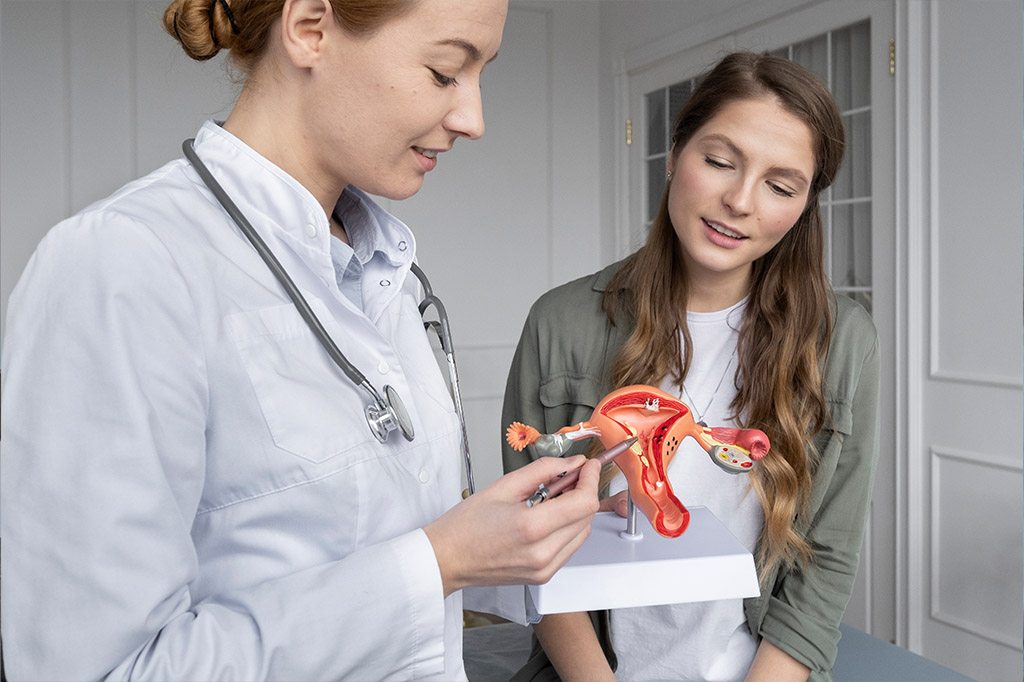
Doctors say menopause symptoms vary widely from woman to woman, making a one-size-fits-all approach ineffective. Instead, specialists are advocating for individualised care plans, combining medical treatment with lifestyle support tailored to each patient’s needs, health history and preferences.
Increasingly, clinicians are recommending what they describe as a “cafeteria-style” menu of treatment options, allowing women to choose from hormone therapy, non-hormonal medications, nutritional guidance, mental health support, exercise programmes and sleep management strategies. The goal is to empower women with informed choices rather than expecting them to simply tolerate symptoms.
Experts also stress the importance of starting the conversation early, ideally during perimenopause, rather than waiting until symptoms become severe or disruptive. Early intervention, they say, can reduce long-term health risks associated with menopause, including bone loss, cardiovascular disease and mental health challenges.
In the UAE, cultural attitudes have historically made menopause a less openly discussed topic. However, doctors report growing awareness among women who are increasingly seeking medical advice rather than suffering in silence. Healthcare providers are responding by expanding menopause clinics, training general practitioners and integrating menopause care into broader women’s health services.
Specialists emphasise that menopause is not just a gynaecological issue but a whole-body transition, affecting sleep, metabolism, mental wellbeing and overall quality of life. Addressing it holistically, they argue, leads to better outcomes and improved long-term health.
As awareness grows, doctors say normalising menopause conversations and offering flexible treatment pathways will help ensure women in the UAE receive the support they need – not just to cope, but to thrive through midlife and beyond.