The United Arab Emirates has issued a strong condemnation of the attack on a World Food Programme (WFP) humanitarian convoy in North Kordofan, Sudan, describing the incident as a “flagrant violation of international humanitarian law” and a threat to life-saving aid operations in conflict-affected regions.
Table of Contents
ToggleWhat happened
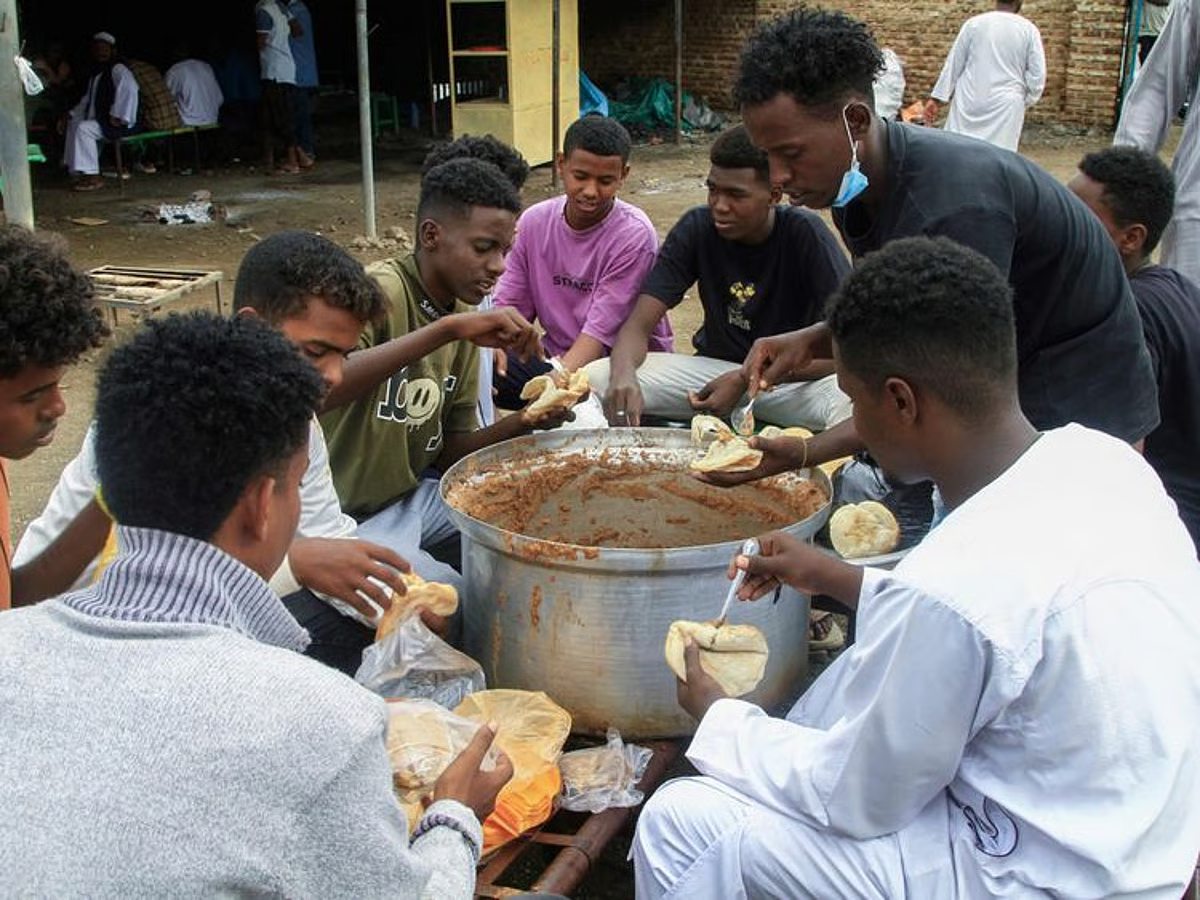
The convoy, operated by the United Nations’ World Food Programme, was transporting humanitarian assistance to vulnerable communities in North Kordofan when it was targeted. The attack resulted in deaths and injuries, underscoring the growing dangers faced by aid workers and civilians in areas affected by Sudan’s ongoing instability.
While full details of the perpetrators and circumstances remain under investigation, the incident has drawn international concern over the protection of humanitarian personnel and supply routes, which are critical to preventing famine and supporting displaced populations.
UAE’s response
In its statement, the UAE reaffirmed its firm rejection of violence against humanitarian missions and stressed that such actions undermine global efforts to deliver essential food, medical support, and relief to those in urgent need. The country called for accountability and adherence to international laws that safeguard humanitarian operations, aid workers, and civilians during conflicts.
The UAE also reiterated its support for international humanitarian efforts and its commitment to working with global partners to ensure assistance reaches affected populations safely and without obstruction.
Why humanitarian convoys are being targeted
Sudan has faced escalating conflict and political instability, particularly since fighting erupted between rival factions in 2023. The violence has severely disrupted infrastructure, displaced millions, and strained aid delivery systems. In such environments, humanitarian convoys can become vulnerable due to insecurity, contested territories and breakdowns in law enforcement.
Attacks on aid missions not only endanger personnel but also delay food and medical assistance, worsening humanitarian crises and increasing the risk of famine and disease outbreaks.
International humanitarian law implications
Under international humanitarian law, humanitarian workers, relief supplies and civilian infrastructure are protected during armed conflicts. Targeting them is considered a serious violation and can constitute a war crime if deliberate. Global agencies, including the UN, have repeatedly called for safe passage for aid convoys and protection for relief staff.
Broader impact
The incident highlights the precarious conditions under which humanitarian organisations operate in Sudan and similar conflict zones. It also reinforces the urgent need for coordinated international action to safeguard relief efforts, ensure accountability for violations, and maintain humanitarian access to populations most at risk.
As investigations continue, the focus remains on restoring safe aid delivery and preventing further disruption to critical support for communities already facing severe hardship.