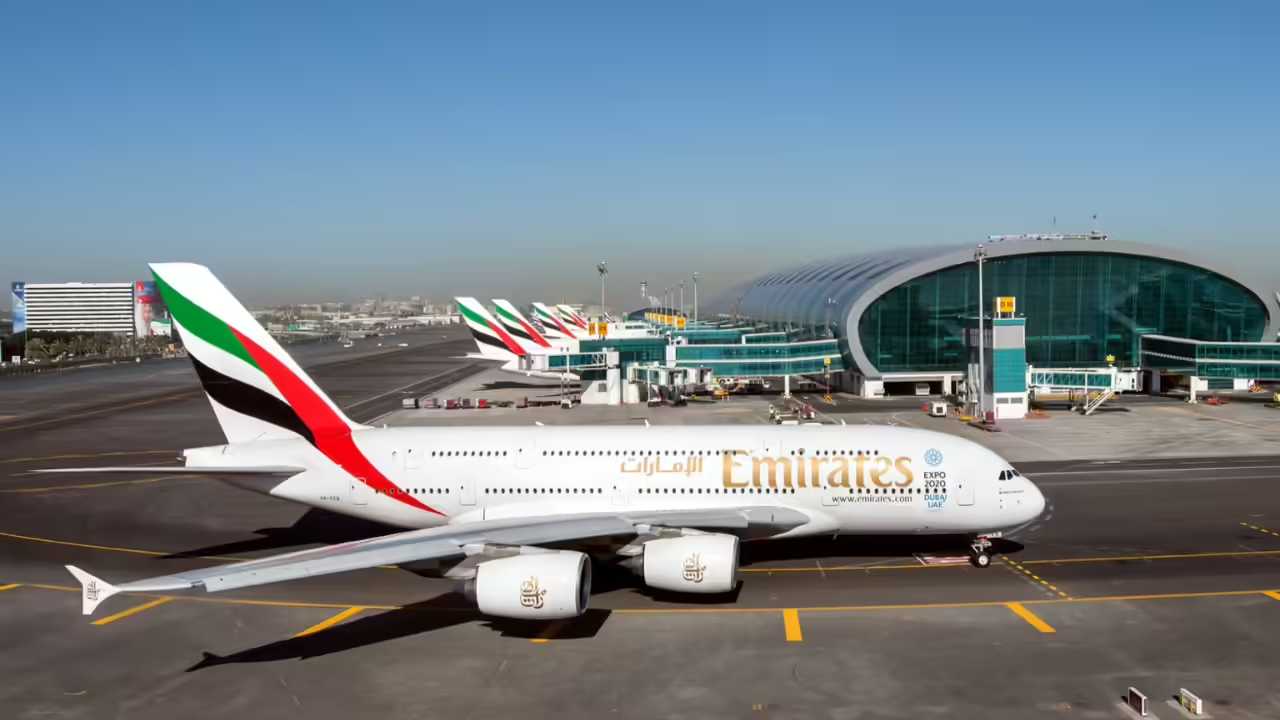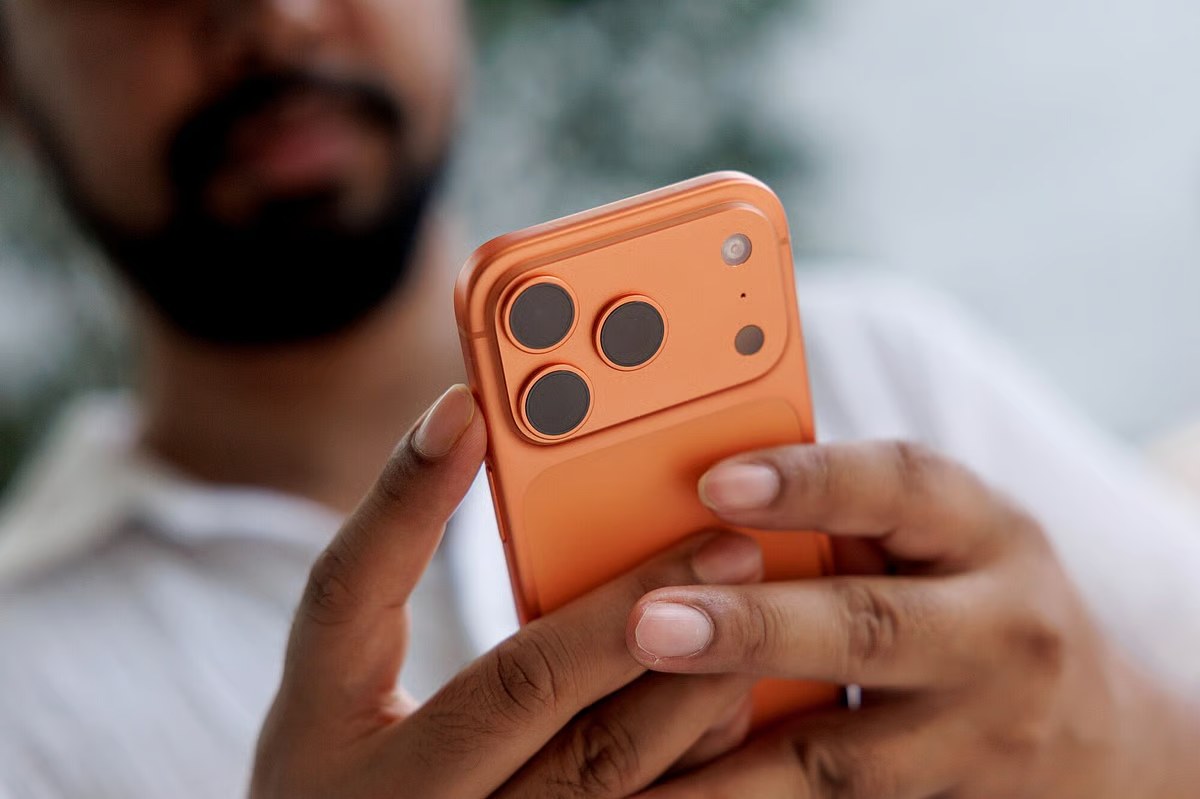
A Dubai-based expatriate’s recent holiday trip to India turned into an expensive lesson after he was stopped at customs for carrying a sealed, brand-new iPhone 17. Despite the phone being unopened, authorities treated it as a dutiable item, requiring him to pay a significant customs charge before being allowed to proceed.
The incident has sparked fresh discussion among frequent travellers about how personal electronics are assessed at airports – and why sealed devices often raise red flags.
Under Indian customs rules, passengers are allowed to bring personal items for self-use within a specified duty-free allowance. However, electronics that appear to be newly purchased, unused, or in excess of personal requirements can be classified as goods intended for import rather than personal use. A sealed smartphone box, especially when accompanied by an existing personal phone, can fall into this category.
For international travellers, the distinction between personal use and import is critical. Customs officials often look at factors such as packaging, quantity, and declared value. An unopened device suggests the item may be intended as a gift or resale, making it subject to customs duty. In India, smartphones exceeding the duty-free allowance can attract customs charges that include basic duty, social welfare surcharge, and applicable taxes – quickly adding up to a hefty bill.
Many travellers assume that carrying one extra phone is harmless, particularly if it is meant for a family member. However, customs regulations are applied strictly, and intent is not always considered if the item clearly exceeds personal-use norms. Officials also have discretion to assess value based on current market prices, not purchase receipts alone.
Experts advise travellers to unseal and use any additional electronic device before flying if it is genuinely for personal use. Carrying the phone outside its box, inserting a SIM card, and setting it up can help demonstrate that it is not a commercial import. Declaring high-value items voluntarily can also prevent penalties, though it does not eliminate duty obligations.
The case serves as a reminder that customs rules vary by country and are enforced rigorously, particularly for high-demand electronics. What may seem like a small convenience – carrying a sealed phone – can quickly turn into an unexpected expense at the airport.
As international travel rebounds and gadget purchases rise, travellers are being urged to familiarise themselves with customs allowances before flying. A few minutes of preparation can help avoid costly surprises and ensure a smoother arrival.