With fresh Nipah virus cases reported in parts of the region, health authorities have intensified surveillance and screening measures, prompting renewed advice for UAE travellers heading to affected or high-alert areas.
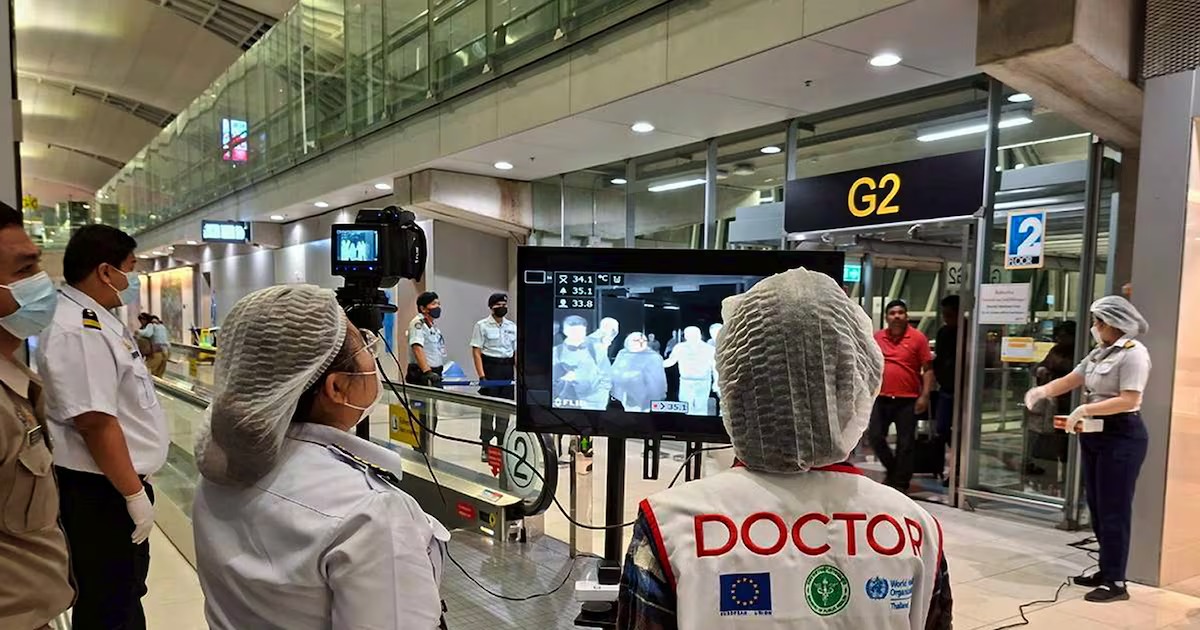
Officials say enhanced monitoring is now in place at airports, including health declarations, visual assessments and temperature checks for travellers arriving from locations under watch. While there are currently no local cases in the UAE, authorities are urging travellers to remain vigilant and follow basic preventive measures.
The Nipah virus is a zoonotic disease that can spread from animals to humans and, in some cases, between people. It is associated with severe respiratory illness and inflammation of the brain, and outbreaks have historically been linked to close contact with infected individuals, contaminated food, or animal exposure.
Health experts advise travellers to practice good hand hygiene, avoid consuming unwashed fruits or raw date palm products, and steer clear of close contact with individuals showing flu-like symptoms when visiting affected areas. Travellers are also encouraged to avoid crowded healthcare facilities unless necessary and to follow all local public health guidance.
Key symptoms to watch for include fever, headache, muscle pain, sore throat, vomiting, cough and difficulty breathing. In severe cases, symptoms may progress to confusion, seizures or loss of consciousness. Medical attention should be sought immediately if symptoms develop during travel or after returning to the UAE.
Authorities stress that early detection is critical, as prompt medical care can significantly reduce complications and help prevent further spread. Travellers returning from alert zones who feel unwell are advised to inform healthcare providers about their recent travel history.
UAE health officials say preparedness remains high, with robust surveillance systems and response protocols in place. Travellers are encouraged to stay informed through official channels and not rely on rumours or unverified sources.
While the overall risk remains low, experts say informed travel and basic precautions remain the most effective defence as global health monitoring continues.