Doctors in Iran say hospitals across the country are operating in crisis mode as anti-government protests intensify, placing severe strain on an already stretched healthcare system. Medical professionals report a sharp rise in patients with serious injuries, including gunshot wounds, amid growing shortages of specialist staff and critical resources.
According to medics speaking anonymously due to security concerns, emergency departments in major cities have been overwhelmed by the volume and severity of cases arriving over recent days. Surgeons, particularly trauma and orthopaedic specialists, are reportedly in short supply, forcing hospitals to triage aggressively and delay non-life-threatening procedures.
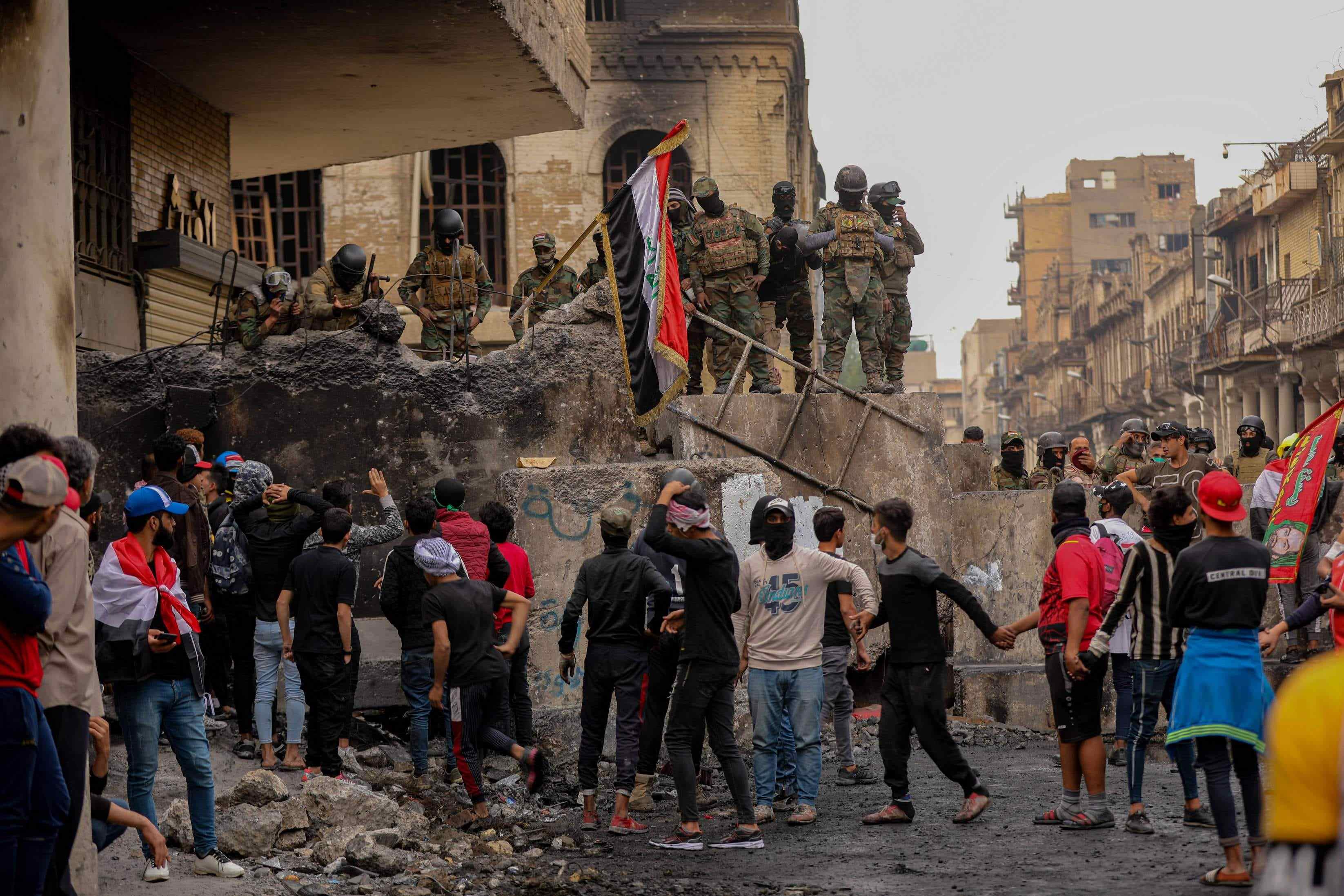
Healthcare workers say many of the injured are protesters hurt during clashes with security forces, though the full scale of the situation remains difficult to verify. A widespread internet blackout and heavy restrictions on communications have limited the flow of information, making independent confirmation of events on the ground challenging for both international observers and humanitarian organisations.
Doctors also report shortages of medical supplies, including blood, anaesthetics, and surgical equipment, further complicating efforts to treat critically injured patients. Some hospitals are reportedly operating beyond capacity, with staff working extended shifts under intense pressure. In certain areas, injured individuals are reportedly avoiding hospitals altogether due to fears of arrest or interrogation.
The protests, which have spread across multiple provinces, reflect deepening public anger over political, economic, and social issues. As demonstrations continue, medics warn that the humanitarian impact could worsen if violence escalates and access to care becomes more restricted.
International health and human rights groups have repeatedly raised concerns about the protection of medical neutrality in conflict and unrest situations, stressing that healthcare workers and facilities must not be targeted or obstructed. However, Iran’s ongoing information blackout has made it difficult to assess whether hospitals can operate freely or safely in areas affected by protests.
For families and communities, the uncertainty is compounded by limited access to reliable news. With social media platforms disrupted and foreign media restricted, many rely on word-of-mouth updates, adding to anxiety and fear.
As protests continue and hospitals struggle to cope, doctors say their primary concern remains saving lives under increasingly difficult conditions. Without de-escalation or improved access to resources and personnel, medical professionals warn that Iran’s healthcare system could face further strain in the days ahead.