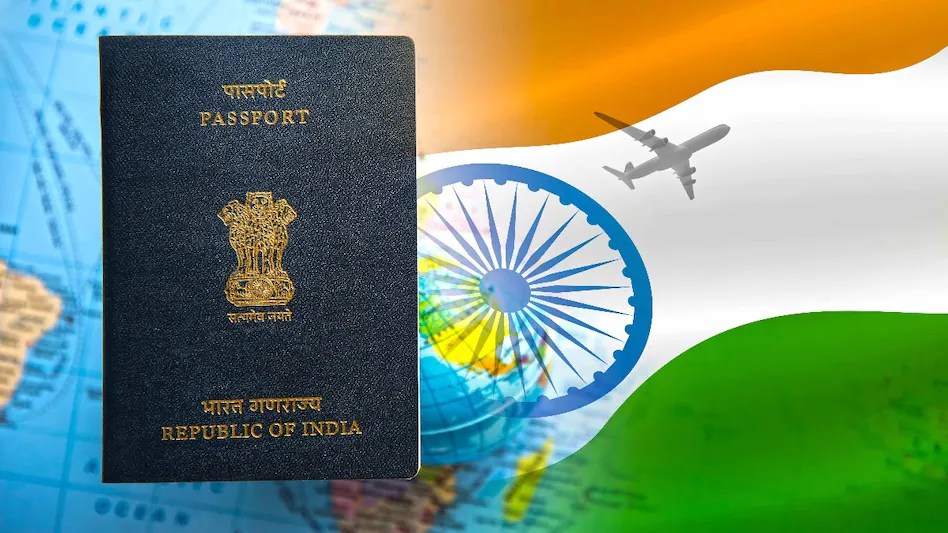
India’s passport has climbed five spots to rank 80th in the 2026 Henley Passport Index, signalling steady progress in the country’s global mobility and diplomatic outreach. The annual index, widely regarded as a benchmark for passport strength, ranks countries based on the number of destinations their citizens can access without a prior visa.
The improved ranking reflects India’s expanding diplomatic influence and ongoing efforts to negotiate visa waivers, relax entry requirements, and strengthen bilateral relationships. Indian passport holders now enjoy visa-free or visa-on-arrival access to more destinations than in previous years, making international travel incrementally easier for tourists, business travellers, and professionals.
While the Indian passport still trails behind many developed nations in terms of unrestricted mobility, the upward movement is notable in a global environment where travel rules remain complex and often politically driven. Analysts point to India’s growing economic footprint, increased outbound tourism, and deeper engagement with emerging markets as key contributors to the improved standing.
For everyday travellers, the ranking offers a practical takeaway rather than a symbolic one. Easier access to select countries reduces paperwork, saves time, and lowers travel costs. For businesses, it supports smoother regional movement, particularly across parts of Asia, Africa, and island nations that are increasingly opening their borders to Indian visitors.
The Henley Passport Index bases its rankings on data from the International Air Transport Association (IATA) and evaluates passports against 227 travel destinations worldwide. Even small ranking gains can represent meaningful shifts in global perception and policy, especially for countries with large travelling populations like India.
Experts caution, however, that passport rankings are not static. They fluctuate with geopolitical changes, security considerations, and diplomatic negotiations. Continued progress will depend on India’s ability to maintain strong international relationships and pursue reciprocal travel agreements.
For now, the five-place jump serves as a positive signal. It reflects India’s gradual rise in global mobility and highlights the tangible benefits of diplomacy in an increasingly interconnected world.