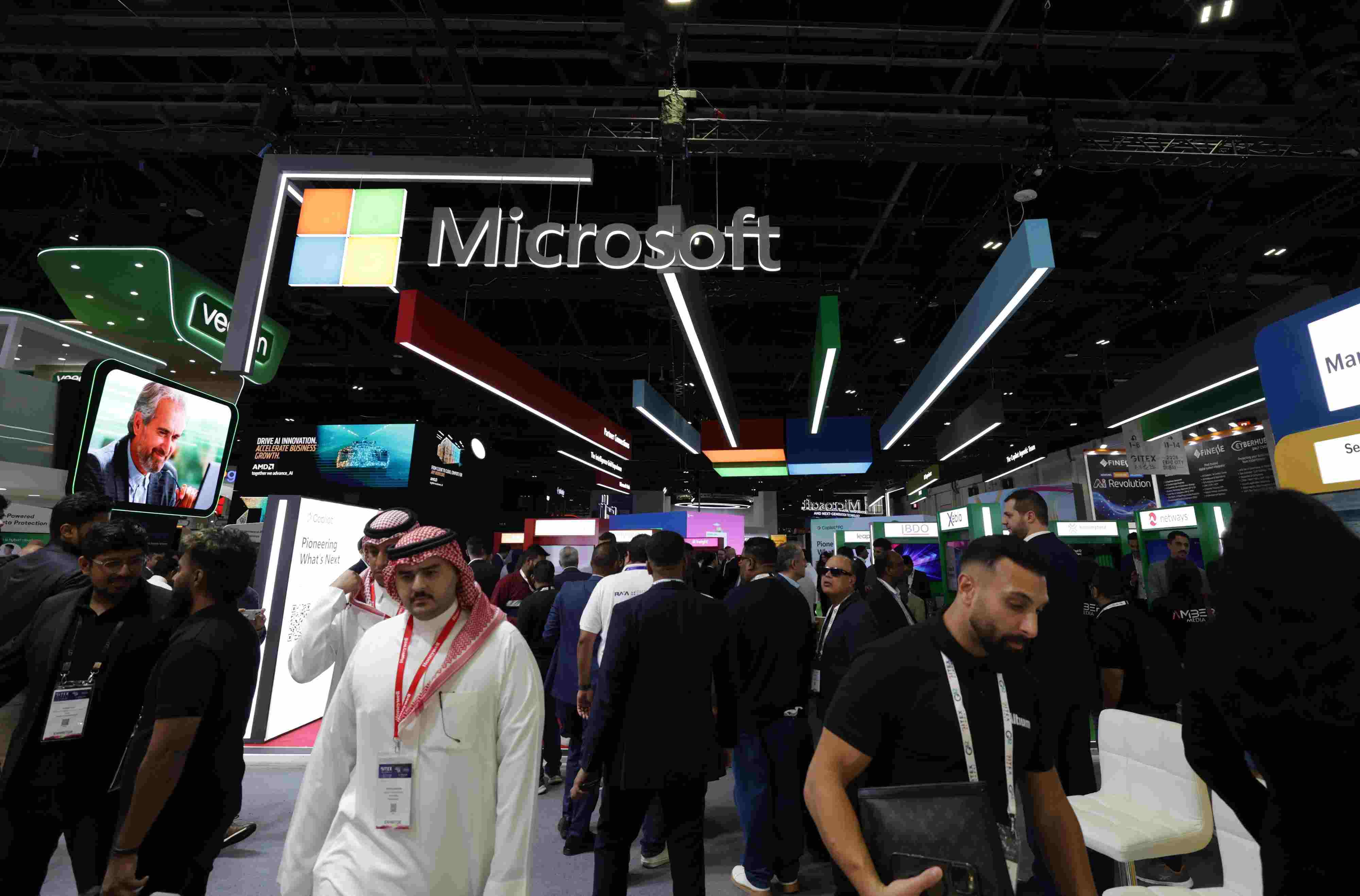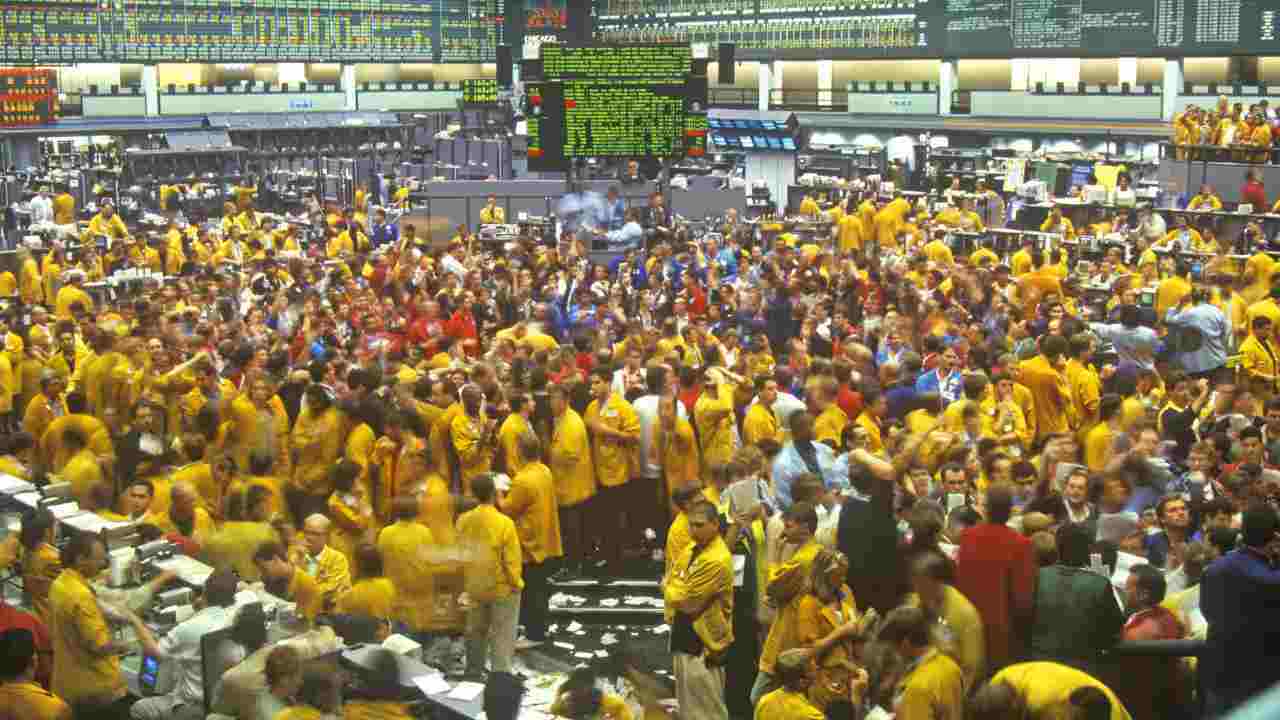
In a strategic move underscoring the shifting geography of global finance, CME Group — the world’s largest derivatives marketplace — has officially launched a new office in the Dubai International Financial Centre (DIFC). This expansion reflects growing momentum among hedge funds relocating operational or trading functions to the UAE and broader Gulf region.
Strategic Rationale & Regional Momentum
CME’s decision comes at a time when hedge funds are increasingly gravitating toward the Middle East. In 2025 alone, average daily trading volume from the region has surged by roughly 16 %, driven largely by a near 30 % increase in trading activity from hedge funds.
Though the Middle East still represents a small fraction of CME’s global volumes — on par with markets like Hong Kong in terms of share — it is now its fastest-growing segment.
High-profile global funds including Brevan Howard, Marshall Wace, and Davidson Kempner have already established bases in Dubai and Abu Dhabi, aligning themselves closer to the region’s sovereign wealth capital and institutional capital pools.
Operational Details & Leadership
- The new Dubai office will function as CME’s hub for the Middle East, operating under a license from the Dubai Financial Services Authority (DFSA).
- CME has appointed Sharif Jaghman, formerly based in London, as Head of Middle East & Africa, to steer the regional operations.
- To deepen its local footprint, CME is embedding a business development officer within the Gulf Mercantile Exchange (GME) office in Dubai — an entity in which CME holds a 33 % stake.
Why Dubai / UAE?
There are multiple pull factors fueling this migration:
- Tax incentives & regulatory flexibility – The UAE’s favorable regime for businesses, combined with full foreign ownership in many sectors, is attractive to fund managers.
- Time zone advantages – Dubai straddles Asian, European, and U.S. trading windows, enabling better overlap across key markets.
- Proximity to capital – Being physically closer to sovereign wealth funds and institutional investors gives funds a strategic edge in deal access and relationship building.
- Growing regional depth – The increasing presence of derivatives infrastructure, regulated exchanges, and capital markets in the Gulf is lowering operational friction.
- Talent & infrastructure – The UAE has been investing heavily in financial infrastructure, connectivity, data centers, and skilled talent — important enablers for sophisticated trading firms.
Market Implications
- The increased presence of CME and hedge funds reinforces Dubai’s ambitions to be a major global financial center, beyond just the Gulf region.
- Local derivatives and commodities markets may see more volume flows, more product innovation, and tighter integration with global markets.
- Competition among GCC financial centers (Dubai, Abu Dhabi, Riyadh, etc.) may intensify as they vie for institutional capital.
- Institutional liquidity, risk management access, and capital flows could increase in the region — potentially lowering transaction costs and improving depth in regional markets.
Reference:
CME opens Dubai office as hedge funds flock to Middle East — Financial News London