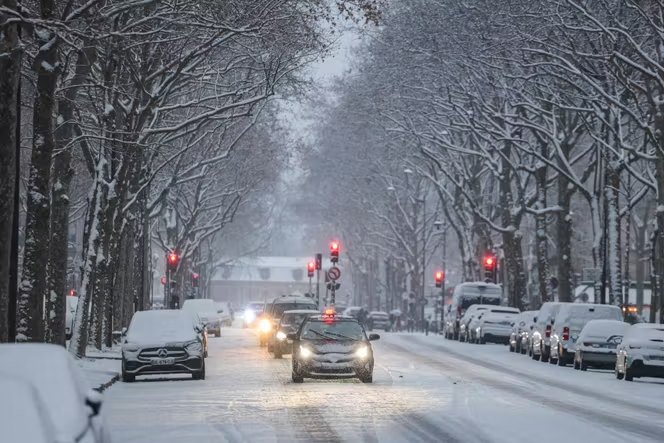
A powerful and unusual cold wave is sweeping across multiple regions worldwide, bringing freezing temperatures, heavy snowfall, and severe winter conditions to countries both accustomed to harsh winters and those largely unprepared for such extremes.
From Arctic blasts in North America and Europe to unexpected sub-zero temperatures in parts of the Middle East and South Asia, the cold snap has disrupted daily life, travel networks, and critical infrastructure, prompting authorities to issue weather alerts and emergency advisories.
In North America, large parts of the United States and Canada have experienced plunging temperatures, snowstorms, and icy winds, grounding flights and creating hazardous driving conditions. Several cities reported temperatures well below seasonal averages, with wind chills making outdoor exposure dangerous.
Across Europe, the cold wave has brought heavy snowfall and freezing rain to multiple countries, affecting road and rail transport while increasing demand on energy supplies. Authorities in several regions have warned of black ice, power disruptions, and delays to public services as winter conditions intensify.
More unusually, parts of the Middle East and South Asia – regions typically associated with milder winters – have also felt the impact. Mountainous areas have recorded snowfall and near-freezing temperatures, while low-lying regions experienced cold spells that disrupted agriculture, schooling, and daily routines.
Meteorologists say the widespread nature of the cold snap highlights shifting global weather patterns, with cold air masses extending further south than usual. Experts note that while individual cold events are not uncommon, the simultaneous impact across multiple continents makes this episode particularly striking.
Beyond disruption, the cold wave has also produced dramatic winter scenes, from snow-covered landmarks to frozen waterways, underscoring the scale and reach of the event. Emergency services in affected regions continue to urge residents to take precautions, particularly vulnerable populations and those travelling during severe conditions.
As forecasts indicate that cold conditions may persist in some areas, authorities worldwide are monitoring developments closely, with warnings that extreme weather events – both hot and cold – are becoming increasingly unpredictable.