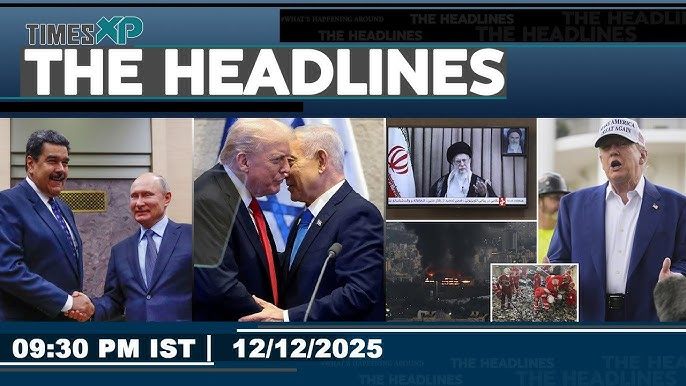
Today’s global headlines reflect a convergence of diplomacy, pressure politics, and tightening mobility, as leaders and governments respond to escalating geopolitical and domestic challenges.
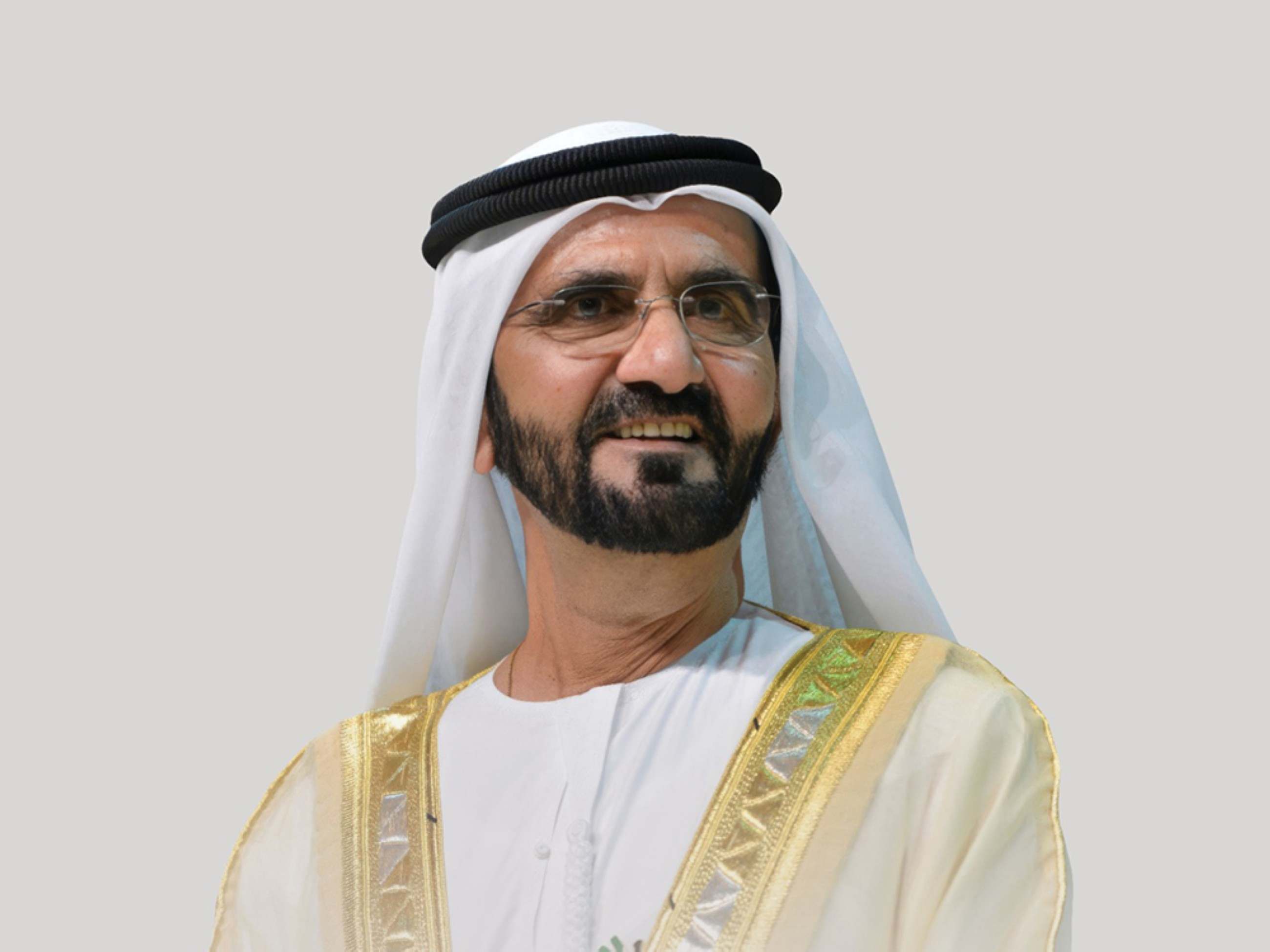
In the UAE, President Sheikh Mohamed bin Zayed Al Nahyan met with Turkish Foreign Minister Hakan Fidan, underscoring the continued strengthening of ties between Abu Dhabi and Ankara. Discussions focused on regional stability, cooperation on key Middle East issues, and expanding bilateral relations across political and economic fronts. The meeting reflects a broader trend of renewed engagement between the UAE and Turkey, following years of deepening collaboration in trade, investment and diplomacy.
Meanwhile, the United States announced fresh sanctions against Iranian officials linked to Tehran’s ongoing crackdown on anti-government protests. The measures target senior security figures and entities accused of human rights violations, including the violent suppression of demonstrators. Washington said the sanctions are aimed at holding individuals accountable while increasing pressure on the Iranian leadership amid growing international concern over executions, arrests, and the use of force against civilians. The move comes as tensions rise across the region, with warnings of further action if abuses continue.
Adding to the day’s developments, the US has suspended immigrant visa processing for citizens of 75 countries, marking one of the most sweeping visa pauses in recent years. The decision is part of a broader review of immigration and security procedures, according to US officials. While non-immigrant visas such as tourism and business travel are reportedly unaffected, the suspension is expected to impact thousands of families and applicants awaiting permanent residency decisions. The move has sparked concern among affected countries and advocacy groups, who warn of prolonged uncertainty and humanitarian consequences.
Together, these developments highlight a shifting global landscape marked by assertive diplomacy, economic and political pressure tools, and stricter border controls. From high-level meetings in Abu Dhabi to policy decisions in Washington, today’s news underscores how interconnected political actions can shape regional stability, human rights debates, and international mobility.
As events continue to unfold, governments and observers alike will be watching closely for signs of escalation, compromise, or policy adjustments in the days ahead.