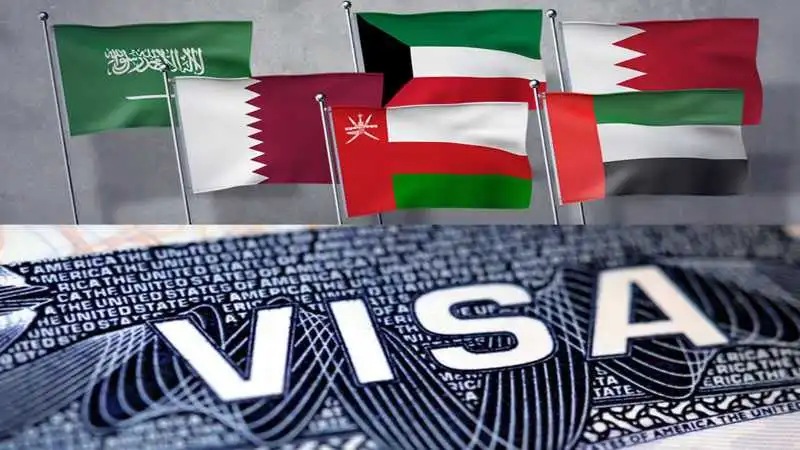
The forthcoming Unified GCC Tourist Visa marks one of the most tangible moves yet toward practical regional integration in the Gulf, promising to reshape how visitors experience the region. While it is often likened to Europe’s Schengen system, the initiative is better understood as a targeted solution to a specific and long-standing challenge: fragmented visa rules that make multi-country travel in the Gulf unnecessarily complex.
For years, Gulf countries have marketed themselves collectively as a connected tourism and business destination, highlighting short travel distances, shared culture, and complementary attractions. In practice, however, travellers have faced a patchwork of visa requirements. Tourists wishing to visit more than one GCC country often needed to apply for separate visas, navigate different application processes, and meet varying entry conditions – a friction point that discouraged regional itineraries.
The Unified GCC Tourist Visa is designed to address this gap. Once implemented, it will allow eligible visitors to travel across participating GCC states under a single visa, simplifying entry procedures and encouraging longer, multi-stop trips. This is particularly significant for long-haul travellers, who often want to combine destinations such as the UAE, Saudi Arabia, Oman, and Qatar into one journey.
Unlike Schengen, which evolved alongside deep political and legal integration, the GCC visa is more narrowly focused on tourism facilitation. It does not imply open borders for residents, labour mobility, or a unified immigration policy. Instead, it reflects a pragmatic approach: removing administrative barriers where they most directly affect economic growth.
Tourism is a central pillar of diversification strategies across the Gulf. Mega-events, cultural districts, luxury resorts, and heritage sites are being developed on a large scale, but their full potential depends on easy access. A unified visa supports this by increasing visitor numbers, length of stay, and overall spending across multiple markets rather than concentrating benefits in a single country.
The initiative also aligns with broader regional trends, including improved transportation links, expanding airline networks, and joint tourism marketing efforts. By lowering bureaucratic friction, the GCC strengthens its collective appeal against other global travel hubs that already offer seamless cross-border movement.
Challenges remain, including aligning security protocols, operational systems, and eligibility criteria among member states. However, the political will behind the project suggests a shared recognition that coordination – even if limited in scope – delivers tangible returns.
Ultimately, the Unified GCC Tourist Visa is less about replicating Europe’s model and more about solving a Gulf-specific problem. If executed effectively, it could redefine how the region is explored, turning the idea of an interconnected Gulf into a practical reality for millions of visitors.