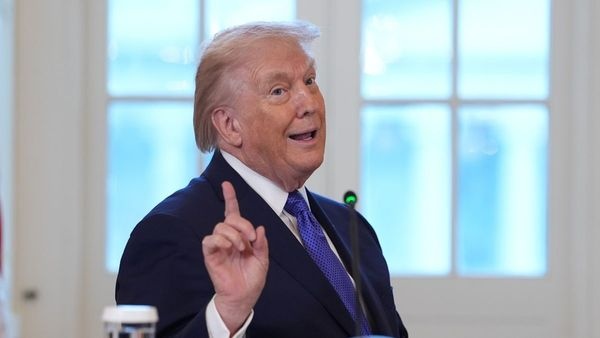
US President Donald Trump has announced a sweeping new trade measure that would impose a 25 per cent tariff on any country that continues to do business with Iran, escalating economic pressure as anti-government protests intensify across the country.
The announcement signals a hardening of Washington’s stance at a moment of heightened instability in Iran. Nationwide protests have spread in recent days, prompting a severe government crackdown that has included internet shutdowns, mass arrests, and reports of deadly force. The tariff proposal is being framed by the Trump administration as part of a broader effort to isolate Tehran economically while reassessing diplomatic options.
Under the proposed measure, countries that maintain commercial ties with Iran could face penalties when exporting goods to the United States. While details on enforcement and exemptions have not yet been released, the move would significantly raise the cost of doing business with both Iran and the US, forcing governments and companies to reassess trade relationships.
Analysts say the tariff threat is designed to tighten pressure beyond traditional sanctions, which primarily target Iran directly. By extending penalties to third-party nations, Washington is seeking to shrink Iran’s remaining economic lifelines, particularly in energy, shipping, and regional trade.
The announcement comes as the US weighs its broader response to Iran’s internal unrest. Trump has signalled that diplomacy is still possible, but warned that further measures – economic or otherwise – remain on the table if Tehran continues its crackdown. The mixed messaging reflects a familiar strategy: pairing the threat of punishment with the possibility of negotiation.
For global markets, the move introduces fresh uncertainty. Countries in Europe, Asia, and the Middle East that maintain limited trade ties with Iran may now face difficult choices, especially if the tariffs are applied aggressively. Energy markets are also watching closely, as further disruption to Iranian exports could affect oil prices and regional supply chains.
Critics argue that broad tariffs risk straining US relations with allies and could hurt global trade at a time of economic fragility. Supporters, however, say tougher measures are necessary to pressure Iran’s leadership and limit its ability to withstand domestic unrest.
No timeline has been given for when the tariffs would take effect, and officials have indicated that further guidance will follow. As protests continue and diplomatic channels remain uncertain, the announcement underscores a familiar reality: economic tools are once again at the centre of Washington’s strategy toward Iran.