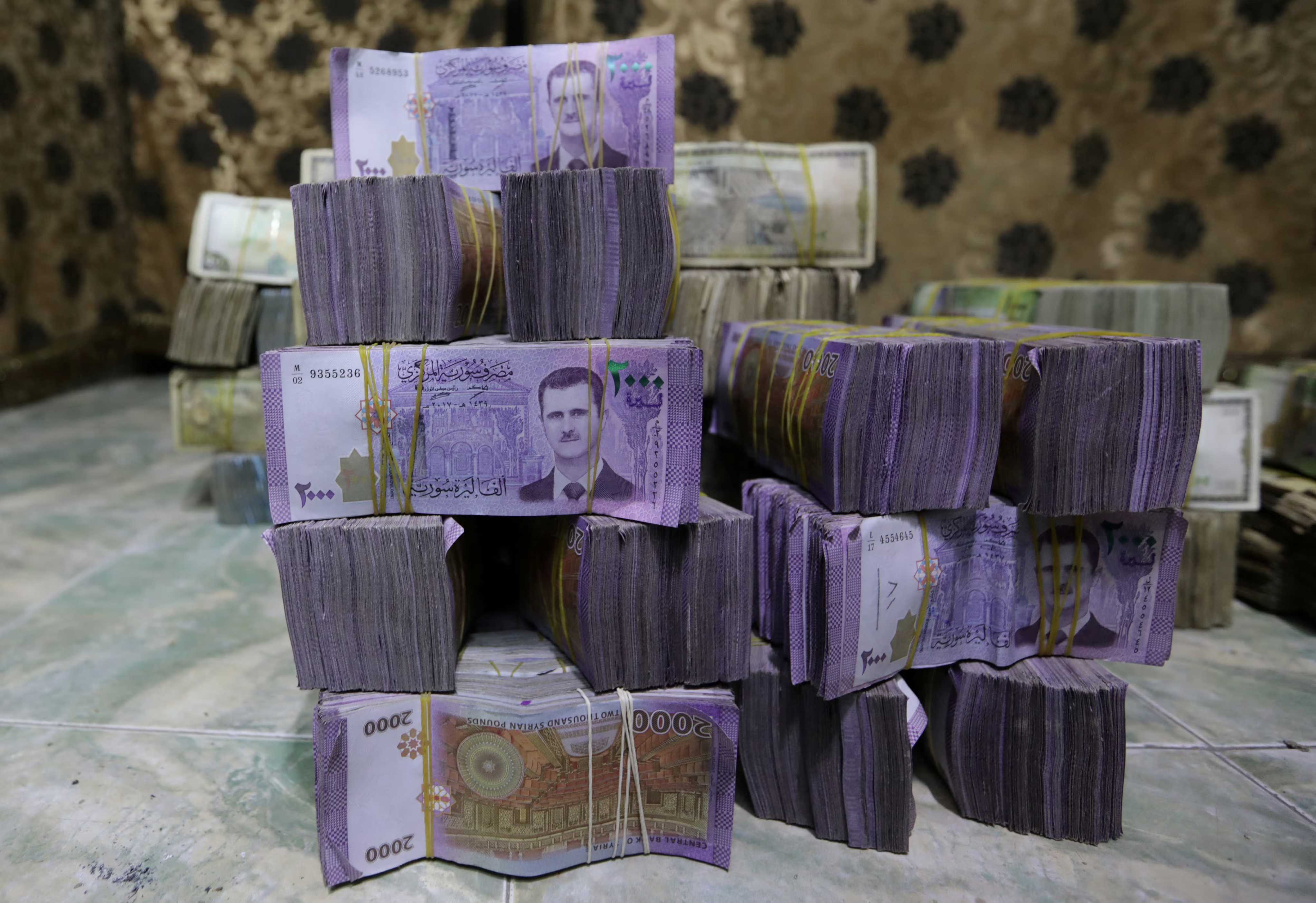
Damascus: Syria will begin replacing its national currency with a redesigned version from January 1, marking a symbolic and practical step in the country’s efforts to relaunch its battered economy following the fall of former president Bashar al-Assad last year.
The announcement was made on Thursday by the governor of Syria’s central bank, who said the new currency would be rolled out in phases, with old notes gradually withdrawn from circulation. The move comes as Damascus attempts to stabilise financial institutions, restore public confidence and rebuild basic economic functions after more than a decade of conflict and international isolation.
According to central bank officials, the revamped currency will feature updated security elements and new designs intended to reflect a new chapter in the country’s political and economic direction. While officials did not disclose full design details, they said the changes aim to curb counterfeiting, improve durability and modernise the country’s cash system.
“The introduction of a new currency is part of a broader reform programme focused on restoring monetary stability and reactivating the national economy,” the central bank chief said, adding that citizens would be given sufficient time to exchange old notes without disruption to daily transactions.
Syria’s currency has suffered severe depreciation over recent years, driven by war-related destruction, sanctions, dwindling foreign reserves and a collapse in investor confidence. Inflation has sharply eroded purchasing power, leaving many households struggling to meet basic needs.
Economists say the currency replacement alone will not resolve Syria’s deep-rooted economic challenges, but could serve as an important confidence-building measure if accompanied by credible fiscal reforms, banking sector restructuring and renewed engagement with regional and international partners.
The move follows a series of tentative steps by Syria’s transitional authorities aimed at reopening trade channels, reforming state institutions and encouraging the return of capital and skilled labour. However, analysts caution that recovery will depend heavily on political stability, governance reforms and the easing of sanctions.
For ordinary Syrians, the currency change is likely to be met with a mix of hope and scepticism. While some see it as a sign of renewal after years of turmoil, others remain concerned about inflation risks and the practical impact on prices and savings.
Authorities have urged the public to rely only on official communications for exchange procedures as the January rollout approaches.