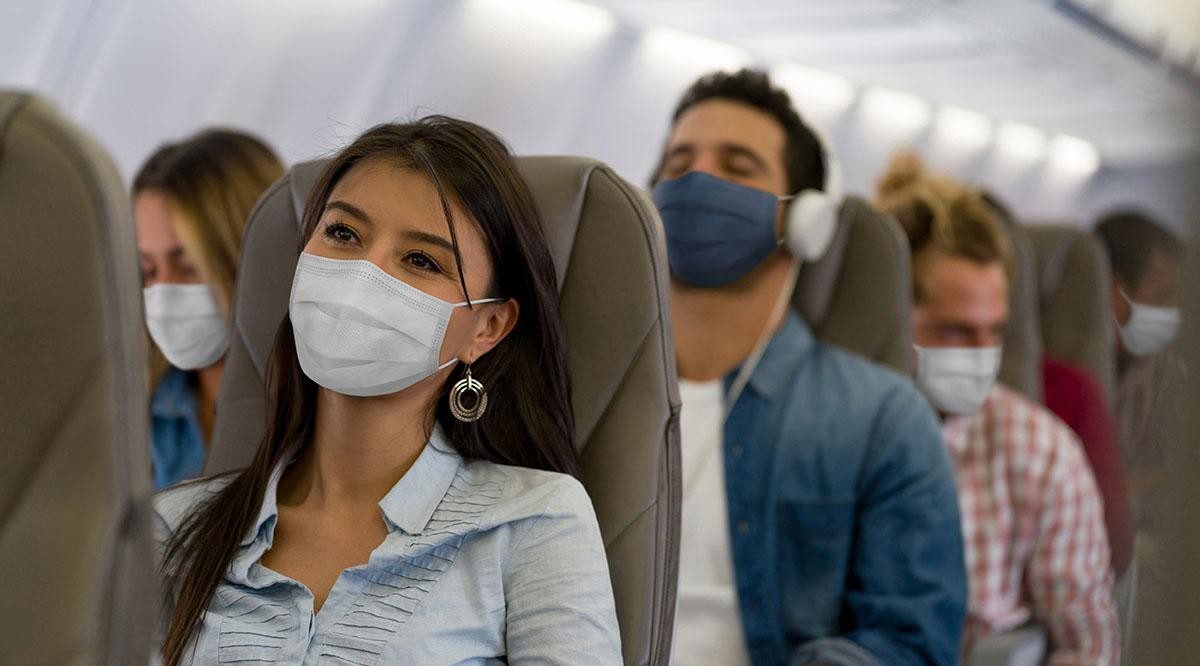
As thousands of residents prepare to travel during the National Day long weekend, doctors are urging passengers to take extra precautions after airport clinics reported a noticeable rise in dehydration cases, skipped medications and travel-related infections. Medical teams say the spike is consistent with the annual surge in outbound travel but warn that this year’s combination of dry cabin conditions, rising seasonal respiratory illnesses and last-minute travel stress is putting many passengers at higher risk.
Dehydration Tops the List of Pre-Flight Illnesses
Airport medical staff say dehydration remains the most common issue among travellers, often occurring long before boarding begins.
“Passengers underestimate how much fluid they lose during the rush of travel,” said one airport physician. “Long queues, heavy luggage and skipped meals mean many people board already dehydrated, and the low humidity inside the aircraft makes it worse.”
Airplane cabins typically maintain humidity levels between 10% and 20%, significantly lower than the average indoor environment, increasing the likelihood of headaches, dizziness and fatigue.
Medication Compliance a Growing Concern
Doctors also report an increase in travellers forgetting – or intentionally skipping – regular medications, especially for chronic conditions such as hypertension, diabetes and asthma.
Many passengers leave medicines in checked baggage, misplace them during transit, or avoid taking them due to fasting, sleep disruptions or uncertainty about dosage timing while travelling across time zones.
“Missing doses can easily trigger complications mid-flight, when medical response options are limited,” one travel medicine specialist cautioned. “Passengers should always carry essential medications in hand luggage and set reminders before travelling.”
Respiratory Infections on the Rise
The holiday surge comes as respiratory infections increase globally with the onset of cooler weather. Clinicians are urging travellers to take preventative measures – including hand hygiene, mask use when necessary and avoiding travel when symptomatic – especially when flying with young children, older adults or immunocompromised family members.
Airport clinics have seen more cases of upper respiratory infections, viral fever and sinus issues over the past two weeks, mirroring seasonal patterns.
Pre-Flight Health Checklist
To ensure a safe and comfortable journey, experts recommend a simple pre-flight health routine:
Hydrate well 24 hours before departure
Carry all essential medications in cabin luggage
Eat balanced meals instead of flying on an empty stomach
Sanitise hands regularly and avoid touching the face
Use saline nasal sprays to combat dry cabin air
Stretch or walk during long flights to improve circulation
Post-Flight Watchouts
After landing, travellers should monitor for symptoms such as persistent cough, fever, severe fatigue, chest discomfort or signs of deep vein thrombosis (DVT), especially following long-haul flights.
Doctors stress that most travel-related health issues are preventable with preparation and awareness.
“As people enjoy the National Day break, a little planning can go a long way in ensuring they arrive at their destinations healthy and ready to celebrate,” medical experts advised.