In a year marked by geopolitical uncertainty, persistent inflation concerns and uneven global growth, 2025 delivered a clear message to investors: stability outperformed speculation.
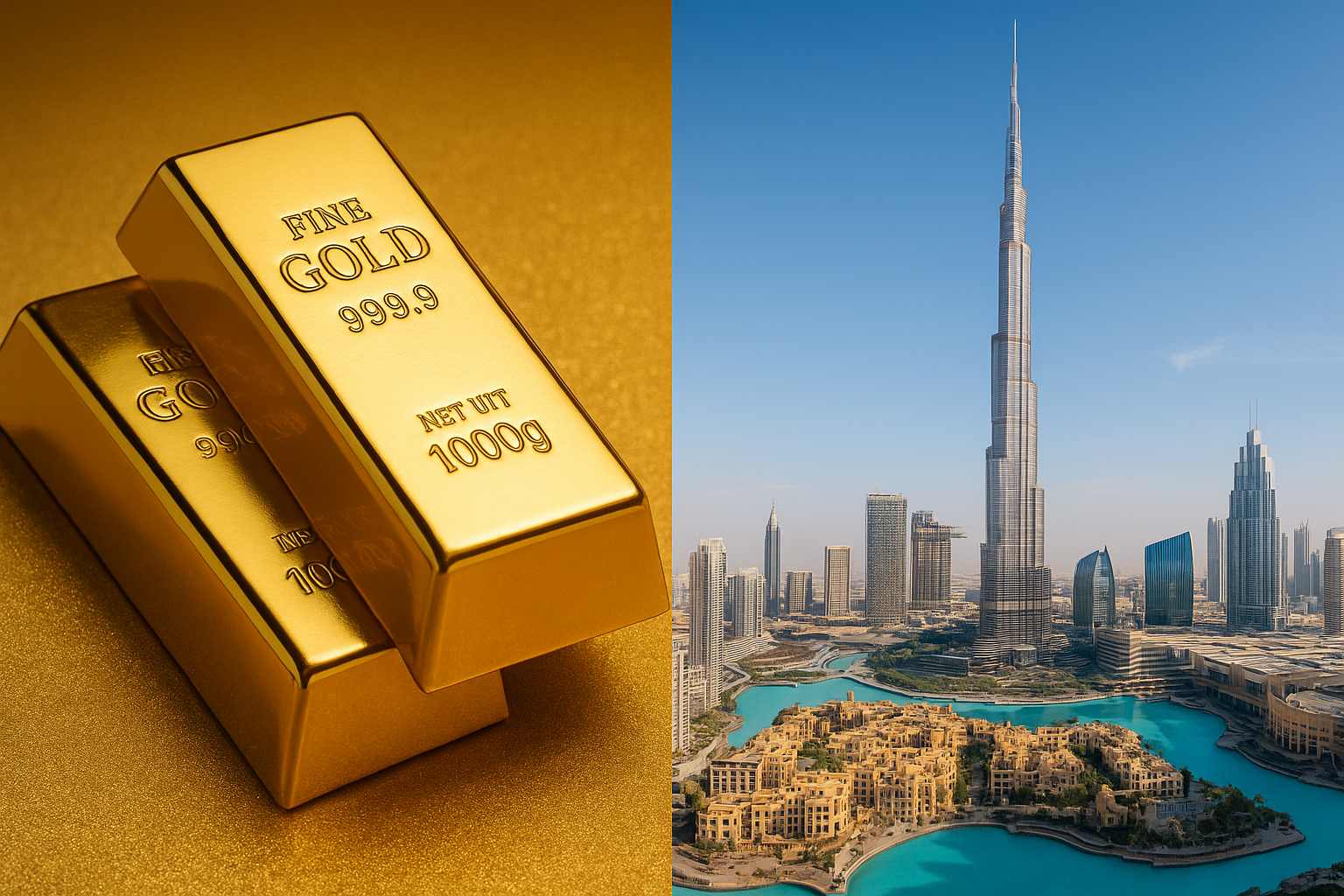
Rather than chasing short-lived trends or high-risk bets, investors gravitated toward tangible, recession-resistant assets – a shift that reshaped portfolios across regions. Gold emerged as a standout performer, reaffirming its role as a hedge against volatility. At the same time, Dubai’s real estate market continued to attract capital, driven by strong rental yields, regulatory clarity, and sustained demand.
Energy and food production also drew renewed interest as supply chain resilience became a priority. From traditional hydrocarbons to renewables and agri-linked investments, the focus was firmly on assets tied to real-world demand. These sectors offered predictable cash flows at a time when equity markets remained sensitive to interest rate signals and political risk.
Technology, too, found favour – but selectively. Investors moved away from speculative growth stories and instead backed companies with proven revenue models, infrastructure exposure and enterprise adoption. The emphasis was less on disruption at any cost and more on durability, scalability and regulation-friendly innovation.
As 2026 approaches, market participants say the underlying strategy is unlikely to change. Disciplined asset allocation, diversification across regions and sectors, and exposure to the real economy remain central themes. Emerging markets, particularly those with improving governance and demographic momentum, are being viewed through a more selective lens rather than broad-based risk-on bets.
Strategic commodities, including energy transition metals, are also expected to remain in focus as governments and industries invest heavily in long-term infrastructure and sustainability goals. Meanwhile, regulated digital assets – far removed from the speculative excesses of previous cycles – are beginning to earn careful consideration as part of diversified portfolios.
Wealth managers say the broader lesson from 2025 is straightforward: long-term performance is built on fundamentals, not fashion. In challenging market conditions, assets that generate durable income and serve essential economic functions tend to outperform those driven purely by sentiment.
As investors prepare for the year ahead, the message is clear. Success in 2026 is less likely to come from chasing hype – and more from choosing what consistently works.